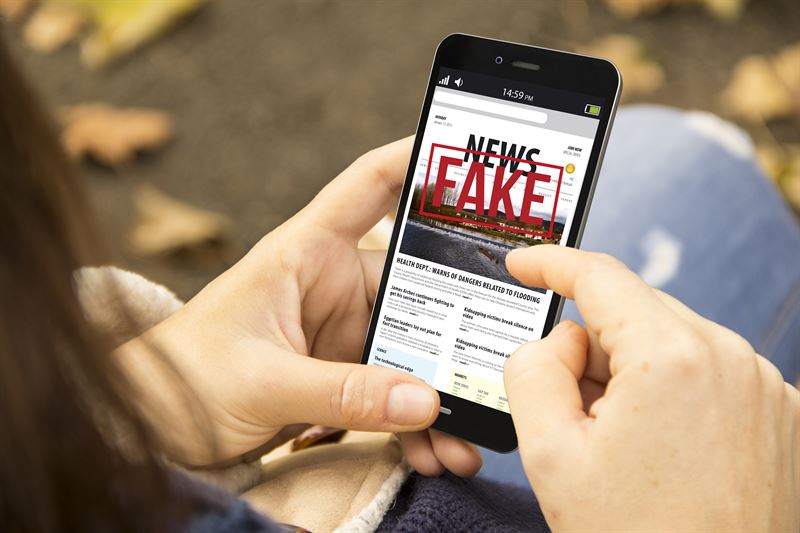
A new survey conducted by Ipsos on behalf of the Readly app, a digital magazine and newspaper subscription platform, reveals that 65% of UK residents are increasingly worried about the proliferation of fake news online and how that disinformation could impact democracy in the UK.
45% of people polled are also concerned about the impact of fake news in other countries and the potential impact it could have on democracy globally.
Chris Couchman, Head of Content at Readly, commented on the findings:
“When trust erodes, uncertainty grows – and that makes societies more vulnerable to targeted disinformation. But research shows that people want trustworthy information and they are actively seeking it. The data underlines the essential role that editorial teams play in countering disinformation. All the more important to strengthen journalism – and make trustworthy formats more visible.”
When it comes to the specific risks to democracy that survey respondents are most concerned about, 47% cited worries that fake news in other countries could impact national security here in the UK, while 44% cited concerns that online disinformation could cause confusion about global health issues.
And research from other sources reveals that the spread of disinformation isn’t limited to adults; children are also affected by the growing proliferation of fake news on social media platforms.
Data from Statista reveals that more than a third of children aged 12-15 in the UK find it challenging to identify whether news coverage they encounter on social media is true or fake.
Recent research by the University of Derby has also highlighted the psychological impact of fake news, noting that exposure can lead to false memories and increased anxiety. To counteract this, Dr. William Van Gordon, Associate Professor in Contemplative Psychology at the university, advises readers to:
“create ‘perceptual distance’ between you and the news. This basically means psychologically stepping back, taking a few mindful breaths in and out, and then relating to the news simply as information.”
The growth of fake news underscores the growing need for individuals to critically evaluate both the source of the information they’re consuming, and the nature of the information itself, and for educators and the media sector to take steps to better equip the public with skills to navigate the increasingly opaque media landscape effectively.
In response to these challenges, initiatives are being implemented to improve media literacy in the UK. For instance, The Guardian Foundation has launched a media literacy ambassador programme aimed at helping students identify and critically assess fake news.